



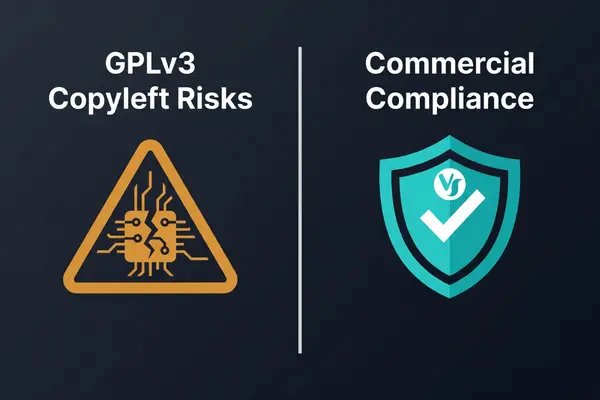
Integrating GPLv3 components in commercial proprietary products introduces severe compliance risks, including copyleft infection, patent portfolio exposure, and anti-tivoization key-disclosure mandates. Explore the technical and legal realities of linking and discover secure, commercial protocol alternatives.
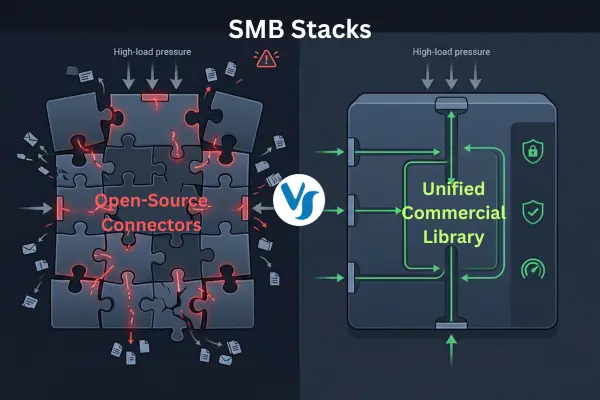
Many software development teams attempt to build file-sharing architectures by stitching together disparate open-source network protocol connectors. Under heavy production loads, these frameworks collapse due to silent socket leaks, unhandled Kerberos negotiation drops, and single-threaded CPU bottlenecks.

Upgrading healthcare data pipelines from obsolete SMB1 to secure SMB3 often triggers severe Java classpath conflicts. Discover an architectural approach to bypass library limitations and maintain strict HIPAA compliance without custom code debt.
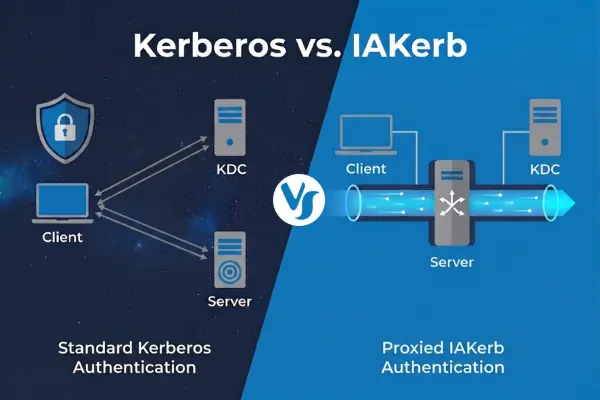
As Microsoft implements its NTLM deprecation roadmap, standard Kerberos and IAKerb emerge as the primary pathways to secure network communications. We explore the mechanics of proxy authentication and Local KDCs in modern embedded and Java environments.

WantToCry ransomware exploits internet-exposed SMB services to remotely exfiltrate and encrypt files, leaving local EDR tools blind. Discover the defenses and how commercial SMB3 libraries secure enterprise systems.
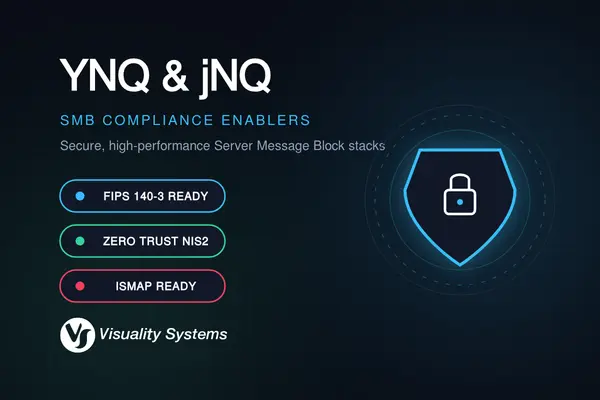
Choosing the right SMB implementation is a critical strategic decision. Read how Visuality Systems’ YNQ and jNQ stacks provide the hardened cryptographic, identity, and transport foundations required to meet FIPS 140-3, NIS2, and ISMAP standards.

The 2026 memory crisis, fueled by AI data demand and chip scarcity, has turned RAM into a critical bottleneck. Learn how specialized SMB middleware like YNQ and jNQ provides a definitive hardware hedge, optimizing performance while reducing infrastructure costs.

A new zero-click vulnerability, CVE-2026-32202, allows threat actors like Fancy Bear to hijack your credentials the moment you view a folder, no clicking required. SMB authentication coercion and protocol-level hardening can lock your doors before the next exploit arrives.

The era of isolated AIoT devices is ending. In the transition from passive sensors to the a unified ecosystem of connected intelligence – the “Corporate Brain” – the challenge isn’t just about making things smart; it’s about making them communicate.