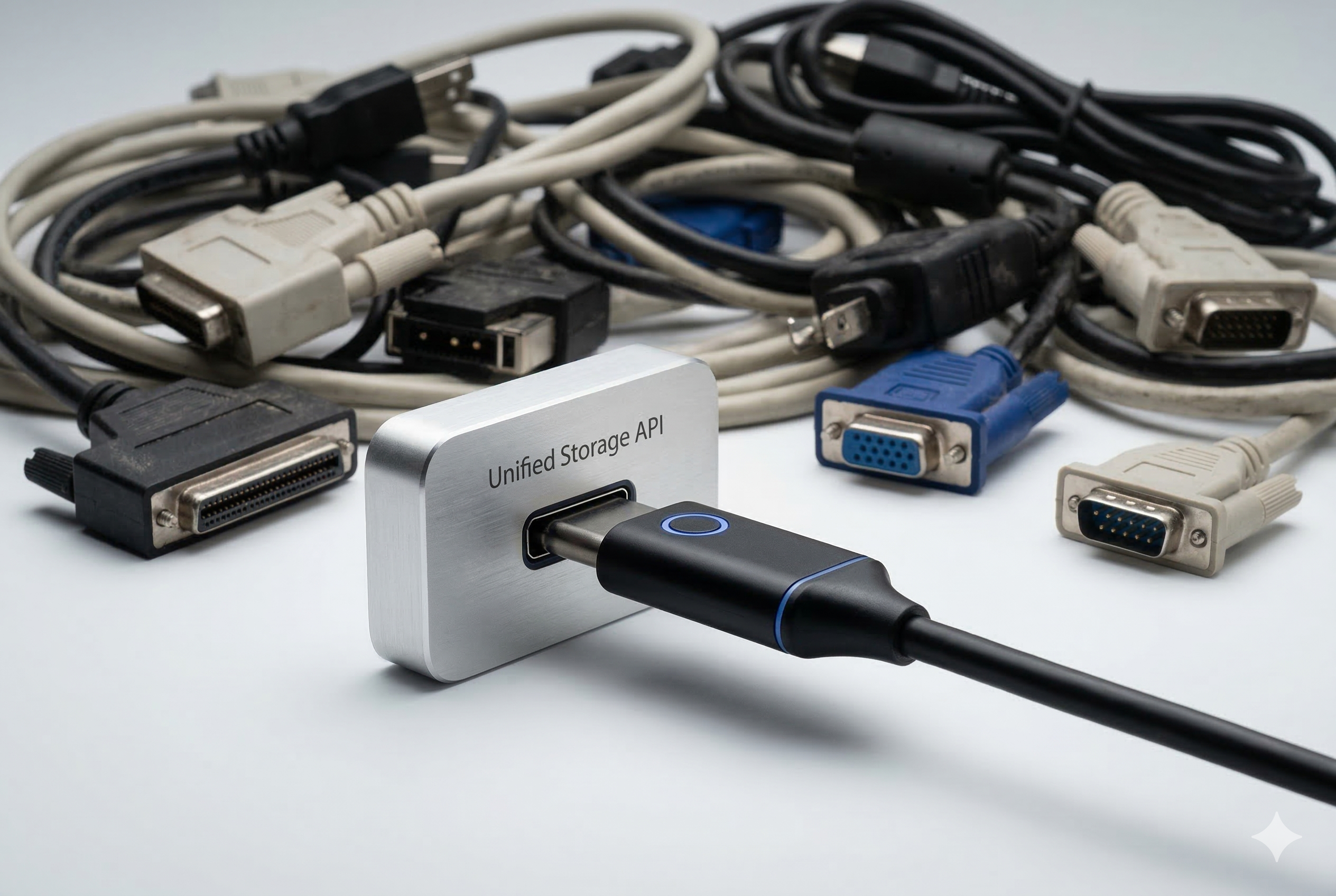

5 SMB Protocol Myths That Hurt Your Architecture

Think SMB is just a clunky Windows legacy tool? Think again. From "NFS is always faster" to "signing kills performance," we’re debunking the 5 biggest myths.

Let’s be honest: most of us formed our opinions on SMB back when Windows XP was the peak of technology. In those days, SMB was clunky, chatty, and felt like it was held together by duct tape and prayers. But since then the protocol has had a massive glow-up, yet the “inherited wisdom” in engineering departments hasn’t always caught up.

If you’re still making architectural decisions based on a 2012 forum post, it’s time for an intervention. Let’s kill off the myths that are probably holding your network back.

debunking smb protocol myths

1. “SMB is just for Windows”

This is the “Internet Explorer” of myths. It just won’t die.

The truth? SMB is the universal language of file sharing now. While it started in the Windows world, it has evolved into the primary language for high-performance file sharing across Linux, macOS, and even RTOS environments. Portable stacks like YNQ make SMB a formidable choice in any OS, enabling developers to implement advanced capabilities natively on specialized systems. Whether you’re running a massive data center or a tiny constrained system, SMB should be your bridge, not your barrier.

2. “NFS is always faster”

The old-school rule was simple: Linux workloads use NFS, Windows uses SMB. Move on.

Except that’s not how it works anymore. SMB 3.1.1 is a different beast. In modern benchmarks, it often goes toe-to-toe with NFS, and in high-latency environments, it frequently wins. Features like SMB Direct (RDMA) and Multichannel allow the protocol to saturate a 100GbE pipe by parallelizing traffic in ways that leave legacy NFS setups in the dust.

3. “Signing kills performance”

We get it, you’re chasing every last drop of throughput, and you think packet signing is an anchor on your CPU.

Maybe in 2005. But modern processors have AES-NI instruction sets that handle the crypto math without breaking a sweat. Turning off signing today for a “speed boost” is like taking the doors off your car to save weight. You might gain a 2% margin in speed, but you’ve lost 100% of your security. Today, that’s just a bad trade.

4. “It can’t handle ‘Long Fat Pipes’”

There’s a lingering belief that SMB falls apart over long distances because it needs too many “handshakes” to move data.

That was a valid gripe for SMB 1.0, which was notoriously talkative. Modern versions use smart credit-based flow control and Large MTU support, which lets you shove much larger chunks of data into each packet. It’s no longer just for the local LAN; it’s built for the hybrid cloud era where your data might be 500 miles away.

5. “It’s for office docs, not ‘real’ data”

We hear it often: “SMB is for Word docs; S3 or block storage is for the heavy lifting.”

Tell that to the movie studios rendering 8K video over SMB or the DBAs running SQL Server on it. With Transparent Failover and Persistent Handles, a modern SMB stack can handle high-availability workloads that would make a standard file share melt. It’s built to stay up even if a cluster node goes down.

The Bottom Line

The SMB of today isn’t the one you grew up with. It’s faster, more secure, and works basically everywhere. If you’re still treating it like a “Windows-only” legacy tool, you’re leaving performance (and a lot of your own sanity) on the table.

The myths are old, but the protocol is new. Let’s build something faster.

Ready to Modernize Your Stack?

We’ve spent decades perfecting this protocol so you don’t have to deal with the headaches. If you’re ready to move past the myths and experience world-class connectivity, check out our core solutions:

  • YNQ: Our flagship stack for bringing high-performance SMB 3.1.1 to Linux, RTOS, and iOS.
  • jNQ: The go-to for Java devs who need an SMB client without the legacy overhead.

Raphael Barki, Head of Marketing, Visuality Systems

Raphael Barki, Head of Marketing, Visuality Systems

Share Via
Related Articles

Visuality systems uses technical, analytical, marketing, and other cookies. These files are necessary to ensure smooth operation of Voltabelting.com site and services and help us remember you and your settings. For details, please read our Privacy policy

Skip to content